Urban Mobility
Ride-hailing application
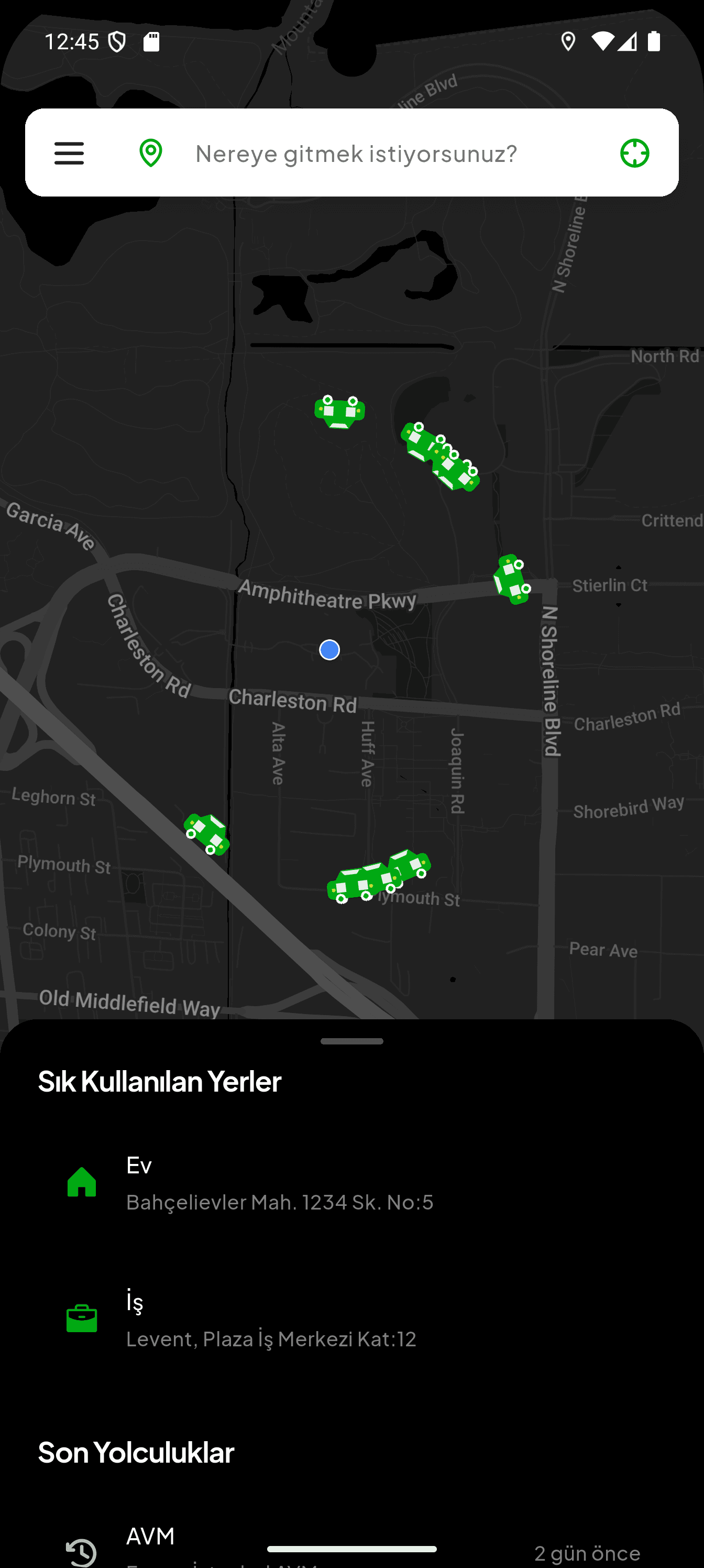
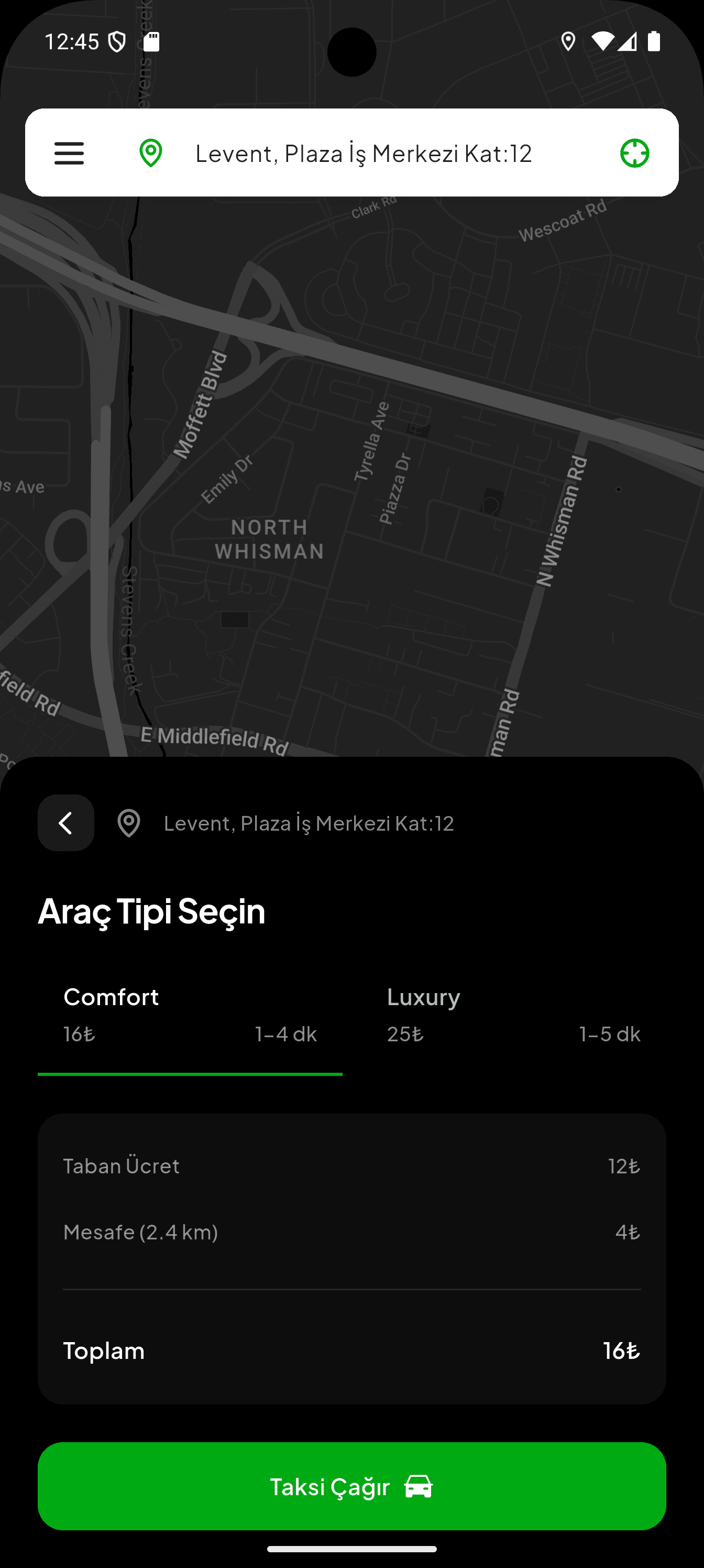
A ride-hailing platform with one-tap booking, real-time tracking, saved routes and personal preferences.
- trip tracking
- Gerçek zamanlıtrip tracking
- saved routes
- Tek dokunuşsaved routes
- rider and driver
- iOS · Androidrider and driver
In short
How does a ride-hailing app work?
Neuros built matching on location, heading and estimated arrival, with trip state streaming live to both sides. The passenger's real complaint is not waiting but uncertainty — seeing where the car is matters more than the wait itself. On the driver's side, receiving calls that fit their heading reduces empty cruising; both sides' gain comes out of the same algorithm.
01Challenge
Passengers face unpredictable waits while drivers cruise empty. Match quality determines the experience on both sides.
02Approach
Matching runs on location, heading and estimated arrival, with trip state streaming live to both sides. Saved routes and preferences reduce repeat journeys to one tap.
03Outcome
Passengers see where the car is and drivers receive calls that match their direction.
Technology stack
- 01Flutter
- 02Node.js
- 03Google Maps API
- 04Firebase
- 01
- 02
- 03
No; the nearest car is not always the fastest to arrive. Alongside position, matching accounts for the vehicle's heading and estimated arrival: a nearby car facing the wrong way can arrive later than a slightly more distant one already heading the right way. That distinction lowers passenger wait and driver empty cruising at the same time.
From road conditions rather than distance. The calculation combines route distance, typical speed at that hour and the vehicle's current heading. Just as important as accuracy is that the estimate is not optimistic: a car promised early and arriving late produces more dissatisfaction than one that quotes a realistic time and keeps it.
Your problem could be the next one here
If you're facing something similar, we'll walk you through how we'd approach it on the first call.